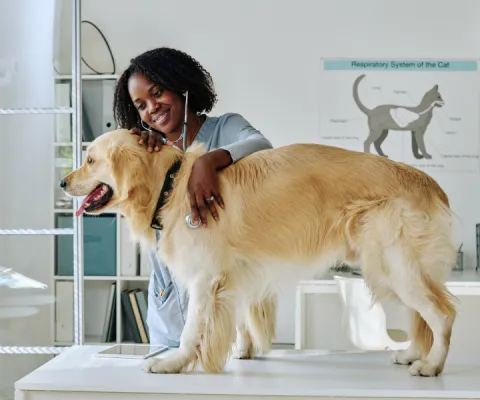
When your pet hurts, you feel it in your chest. You want clear answers and steady help, not guesswork. Every trusted animal hospital offers core services that protect your pet’s health and give you peace of mind. You do not need a medical degree to understand them. You only need to know what to expect when you walk through the door. An Ogden veterinarian, or any local doctor for animals, follows the same basic plan. First, they prevent problems. Next, they find problems early. Finally, they treat problems with skill and care. This blog explains five essential services you should always see on the menu. You will learn what each service does, when your pet needs it, and how it supports a longer, safer life. That knowledge helps you ask sharper questions and choose an animal hospital you can trust.
1. Routine exams and wellness visits
Routine exams are your pet’s safety net. You bring your pet in when nothing looks wrong. The team checks for what you cannot see.
During a wellness visit, the staff will usually
- Ask about eating, drinking, bathroom habits, and behavior
- Check weight, heart, lungs, eyes, ears, teeth, skin, and joints
- Review vaccines, parasite control, and any medicines
The American Veterinary Medical Association urges at least one exam each year for healthy adult pets. Kittens, puppies, and older pets often need more visits.
You should schedule a wellness visit if you bring home a new pet, your pet turns one year older, or you notice even small changes. Quiet changes often point to bigger trouble.
2. Vaccines and parasite prevention
Vaccines and parasite control stop many painful diseases. They also protect people in your home.
Common vaccines for dogs include rabies, distemper, and parvo. Common vaccines for cats include rabies, panleukopenia, and calicivirus. Your animal hospital uses your pet’s age, lifestyle, and risk to build a plan.
Parasite prevention protects against
- Fleas that trigger itching and skin trouble
- Ticks that spread Lyme and other infections
- Heartworms that damage the heart and lungs
- Intestinal worms that steal blood and nutrients
The Centers for Disease Control and Prevention explains how parasites move between pets and people. That is why year-round prevention matters so much for your whole household.
3. Diagnostic testing and imaging
You can feel a lump or see a limp. You cannot see inside your pet’s blood, chest, or belly. Diagnostic tests fill that gap.
Common tools include
- Blood work that checks organs, infection, and anemia
- Urine tests that look at kidneys and bladder health
- X-rays that show bones, lungs, and large organs
- Ultrasound that shows soft tissues and moving organs
These tests help your animal hospital
- Find disease early before clear signs show
- Confirm what is wrong when your pet feels sick
- Guide treatment and watch progress over time
You should expect your veterinarian to explain what each test checks and how the result will change care. Clear reasons reduce fear and confusion.
4. Surgery and urgent care
Even with strong prevention, pets still get hurt and sick. When that happens, you need quick action.
Many animal hospitals can handle common surgeries such as
- Spay and neuter
- Wound cleaning and repair
- Growth removal and biopsy
- Foreign object removal from the stomach or intestines
Urgent care covers breathing trouble, heavy bleeding, sudden pain, and poison exposure. You should call right away if your pet
- Struggles to breathe
- Cannot stand or walk
- Has seizures
- Swallows medicine, chemicals, or unknown plants
Fast treatment can change the outcome. Do not wait and hope it passes. Trust your concern.
5. Dental care and long-term support
Teeth and gums affect the heart, kidneys, and daily comfort. Many pets hide mouth pain. That silence can last for years.
Animal hospitals offer
- Dental exams during wellness visits
- Professional cleanings under anesthesia
- X-rays of teeth below the gum line
- Tooth removal when damage is too severe
They also guide you on brushing, safe chew toys, and diet. Clean mouths support stronger bodies and calmer moods.
What to expect from a trusted animal hospital
You can use a simple set of questions to judge any hospital. The table below can help you compare options.
| Service | How often most pets need it | What you should ask |
|---|---|---|
| Routine exam | Once a year. Twice a year for seniors | How long is the exam, and what do you check |
| Vaccines | Every 1 to 3 years, depending on the shot | Which vaccines are core and which are optional |
| Parasite prevention | Every month year round | Which products protect against fleas, ticks, and heartworms |
| Diagnostic tests | Yearly blood work for adults. More often for seniors | What will this test change in my pet’s care |
| Dental cleaning | Every 1 to 2 years for most pets | Will you take dental X-rays and check each tooth |
Taking the next step for your pet
You do not need to understand every medical term. You only need to know that your animal hospital covers these five services and explains them in plain language.
First, schedule a wellness exam if your pet has not seen a veterinarian in the last year. Next, bring vaccine and parasite records if you have them. Finally, write down your questions before the visit so stress does not erase them.
Your pet depends on you for every choice. Strong routine care, honest answers, and quick help in a crisis give your pet a safer life and give you quieter nights.