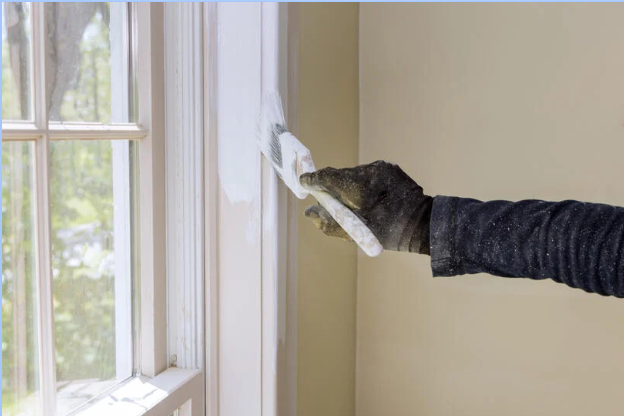
Window painting has become one of the most creative and eye-catching ways to transform plain glass into a powerful visual display. From cozy home décor to bold storefront advertising, this art form continues to evolve with modern trends, tools, and techniques. Whether you are a business owner trying to attract customers or a creative individual exploring new design ideas, window painting offers endless possibilities to express style and personality.
In today’s design world, glass is no longer just a transparent barrier. It is a canvas that can tell stories, promote brands, celebrate seasons, or simply add beauty to a space. With the right techniques, colors, and imagination, even the simplest window can become a stunning focal point. Modern approaches to window painting blend traditional hand-drawn art with digital inspiration, minimalist design, and innovative materials that make the results more durable and visually striking than ever before.
The Evolution of Window Painting in Modern Design
Window painting has a long history that dates back to early shopfront displays and community celebrations. In the past, artists relied mainly on basic brushes and water-based paints to create seasonal messages or promotional signs on glass surfaces. These designs were often temporary and changed frequently to match holidays or sales events.
Today, window painting has evolved into a refined design practice used in both commercial and residential spaces. Modern artists use advanced acrylic paints, markers designed specifically for glass, and even removable vinyl to create long-lasting or interchangeable designs. The focus has shifted from simple messaging to storytelling, branding, and aesthetic enhancement.
One major change is the influence of digital design. Many artists now sketch their ideas digitally before transferring them to glass surfaces. This allows for more precise layouts, better color planning, and a more professional finish. Businesses especially benefit from this evolution because it helps them create consistent branding across multiple locations while still keeping a hand-crafted feel.
Another important shift is the rise of eco-friendly materials. Water-based paints with low toxicity are now widely used, making window painting safer for indoor environments and more sustainable for long-term use. This combination of tradition and innovation has helped the art form remain relevant in modern design culture.
Minimalist Window Painting for a Clean and Elegant Look
Minimalism has become one of the strongest design trends in recent years, and it has naturally influenced window painting as well. Instead of overcrowded designs, modern minimalist window art focuses on simplicity, clean lines, and balanced spacing. This style often uses limited colors, usually black, white, or soft neutral tones, to create a refined and professional appearance.
In retail spaces, minimalist window painting is especially effective because it allows customers to quickly understand the message without feeling overwhelmed. A simple logo outline, a short promotional phrase, or a subtle seasonal graphic can communicate a strong brand identity while maintaining elegance.
Homeowners also appreciate minimalist designs because they blend easily with interior décor. For example, a frosted glass effect combined with simple botanical outlines can create a peaceful and modern atmosphere. This style works particularly well in kitchens, bathrooms, and office spaces where too much visual noise can feel distracting.
The beauty of minimalist window painting lies in its balance. It does not rely on complexity but instead focuses on intention and clarity. Every line and shape has a purpose, making the final result feel thoughtful and sophisticated.
Seasonal and Themed Window Painting Ideas That Stand Out
Seasonal designs remain one of the most popular uses of window painting, especially for businesses that want to connect with customers throughout the year. From winter holiday scenes to summer promotions, themed artwork helps create an emotional connection and encourages people to step inside.
During winter, snowflakes, festive lettering, and cozy illustrations often dominate storefront windows. These designs create a warm and welcoming feeling, even in cold weather. In spring, floral patterns, pastel colors, and nature-inspired themes become more common, symbolizing renewal and freshness.
Summer window painting often features bright colors, beach themes, and playful visuals that reflect energy and excitement. Autumn designs typically include warm tones, falling leaves, and harvest-inspired imagery that create a sense of comfort and nostalgia.
What makes seasonal window painting so effective is its ability to create a timely experience. Customers often associate these visuals with special offers, holidays, or events, which increases engagement and foot traffic. Even in residential spaces, seasonal designs can bring life and personality to glass doors, windows, and partitions.
Modern artists often combine traditional seasonal themes with contemporary design elements. For example, a Christmas window display might include minimalist typography alongside detailed illustrations, creating a perfect balance between old and new styles.
Creative Storefront Window Painting for Business Branding
For businesses, window painting is more than decoration—it is a powerful marketing tool. A well-designed storefront window can attract attention, communicate brand values, and influence customer decisions within seconds. In competitive retail environments, this visual impact can make a significant difference.
Modern storefront window painting often focuses on branding consistency. Businesses use their brand colors, fonts, and logos to create designs that align with their overall identity. This helps customers recognize the brand instantly, even from a distance.
Another important aspect is storytelling. Instead of simply displaying prices or product names, many businesses now use window painting to tell a visual story about their services or products. For example, a coffee shop might illustrate the journey from coffee bean to cup, while a clothing store might highlight seasonal fashion trends.
Typography also plays a key role in storefront design. Bold, readable lettering ensures that messages are clear even in busy environments. Combined with visual elements like illustrations or silhouettes, the result is a dynamic and engaging storefront.
Lighting is another factor that enhances window painting effectiveness. When natural or artificial light interacts with painted glass, it creates depth and contrast that make the design more noticeable. Many modern businesses strategically plan their window art to look appealing both during the day and at night.
Overall, storefront window painting remains one of the most cost-effective and creative marketing strategies available today, especially for small and medium-sized businesses.
Advanced Techniques and Materials in Window Painting
As window painting continues to grow in popularity, new techniques and materials have expanded the possibilities for artists and designers. Traditional brushes and paints are still widely used, but modern innovations have introduced more flexible and durable options.
Acrylic-based paints are among the most popular choices because they adhere well to glass surfaces and offer vibrant colors. They are also relatively easy to remove when designs need to be updated. This makes them ideal for both permanent and temporary displays.
Another widely used material is chalk markers. These allow artists to create smooth, bold lines that can be easily wiped away with water or cleaning solutions. Chalk markers are especially popular for café menus, promotional messages, and casual decorative designs.
Frosted glass effects are another modern technique used in window painting. Instead of using actual frosted glass, artists apply special films or paints that mimic the look. This creates privacy while still allowing light to pass through, making it a popular choice for offices and homes.
Layering techniques have also become more advanced. Artists now build depth by applying multiple layers of paint, combining opaque and transparent effects to create a more realistic and dynamic look. This is especially useful for creating landscapes, portraits, or detailed illustrations on glass.
Digital stencils and laser-cut templates have further improved precision. These tools help artists maintain consistency, especially when working on large commercial projects that require repeated designs across multiple windows.
With these modern tools and methods, window painting has become more accessible to beginners while also offering advanced creative freedom for professionals.
Artistic Expression and Personal Style in Window Painting
Beyond business and decoration, window painting has become a popular form of personal artistic expression. Many people use it as a way to showcase creativity in their homes, studios, or community spaces. It allows individuals to experiment with color, design, and storytelling in a flexible and temporary format.
One of the most appealing aspects of this art form is its freedom. Unlike permanent wall art or interior design changes, window painting can be easily updated or removed. This encourages experimentation without fear of long-term commitment.
Artists often use window surfaces to reflect personal moods, inspirations, or cultural themes. Some create abstract designs that focus on emotion and movement, while others prefer detailed illustrations that tell a clear story. This flexibility makes it suitable for both beginners and experienced artists.
Community events and workshops have also helped popularize window painting as a shared creative activity. Schools, local organizations, and art groups often use glass surfaces to bring people together through collaborative design projects. These activities encourage teamwork and help participants develop artistic skills in a fun and engaging way.
In many cases, window painting also becomes a form of communication. Messages of positivity, awareness, or celebration are often displayed in public or private spaces to connect with others visually. This adds a meaningful layer to the art form, making it more than just decoration.
As more people discover the joy of working with glass as a canvas, window painting continues to grow as both an art and a lifestyle practice.
Conclusion
Window painting has evolved into a versatile and powerful design tool that blends creativity, communication, and branding. From minimalist styles and seasonal themes to advanced materials and personal artistic expression, it offers endless opportunities for transformation. Whether used in homes, businesses, or public spaces, it continues to bring life and personality to ordinary glass surfaces.
As trends move forward, this art form will likely become even more innovative, combining digital tools, sustainable materials, and bold creative ideas. Its ability to adapt to different styles and purposes ensures that it will remain a valuable part of modern design culture for years to come.