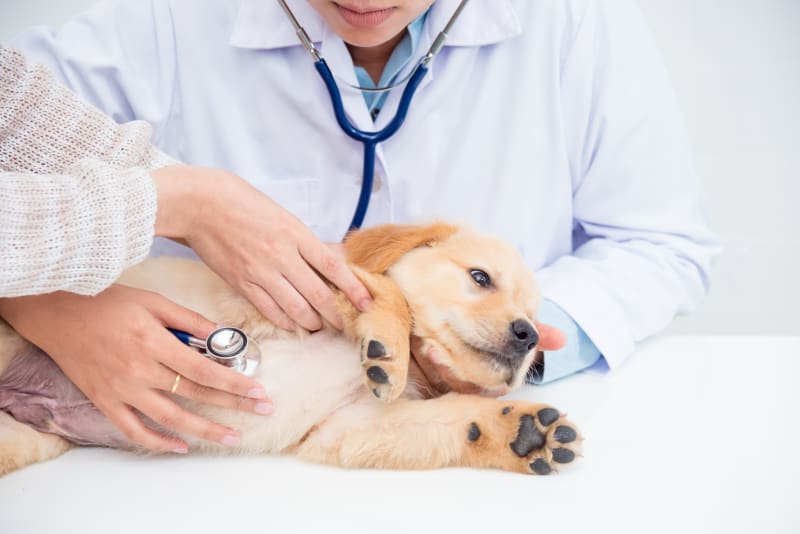
You know how easy it is to put off a pet checkup when your dog seems playful or your cat is still eating, sleeping, and acting mostly normal. Life gets busy, budgets get tight, and that is why choosing a clinic offering both routine and advanced pet treatments can make a real difference, since a lot of health problems in pets stay quiet until they are not quiet anymore. By the time you notice weight loss, bad breath, limping, itching, or a change in behavior, the issue may already be harder and more expensive to treat.
That is why year round preventive care matters. Regular visits to a veterinary clinic help catch small problems before they turn into painful ones, keep vaccines and parasite protection on track, and give you a clearer picture of your pet’s health as they age. Preventive veterinary care is not about doing more for the sake of it. It is about avoiding avoidable suffering, surprise costs, and those awful moments when you wish you had known sooner.
Year round veterinary care catches health changes before they become emergencies
Pets are good at hiding discomfort. Cats do this especially well, and many dogs keep going even when something hurts. That creates a problem for loving owners who are paying attention but still cannot see what is happening under the surface. A routine exam can uncover dental disease, ear infections, skin problems, heart changes, joint pain, and weight shifts long before they become obvious at home.
A consistent exam schedule also gives your veterinarian a baseline. If your pet’s appetite drops, their weight changes, or lab results drift, your clinic can compare today with what was normal for your pet six months ago. That makes decisions faster and more accurate. Cornell Animal Hospital explains the value of a regular veterinary exam in exactly this way, as a chance to assess overall health rather than just respond to illness.
This is one of the clearest benefits of preventive pet care. Early detection often means simpler treatment, less pain, and a better outcome. A mild ear infection is easier to treat than a deep, chronic one. Early arthritis care can protect mobility before your dog starts avoiding stairs or your cat stops jumping onto the bed.
Preventive care in a veterinary clinic lowers long term costs
Most people do not skip preventive care because they do not care. They skip it because they are trying to manage real expenses. That is understandable. The hard part is that delaying routine care often shifts the cost, it does not remove it. It usually moves the cost into a more urgent and more expensive category.
A yearly or twice yearly visit may include an exam, vaccines, parasite prevention, dental checks, and sometimes lab work. Compare that with an emergency visit for vomiting caused by intestinal parasites, treatment for advanced dental disease that now needs extractions, or diagnostics for a condition that could have been flagged much earlier. The price difference can be steep, and the emotional toll is worse.
Regular care also helps you plan. Instead of being blindsided by a sudden crisis, you can space out services and make informed choices. That sense of control matters when you are responsible for an animal who depends on you for everything.
Parasite prevention protects your pet through every season
Many owners still think fleas, ticks, and some intestinal parasites are only warm weather problems. In reality, parasite risk can stretch far beyond summer, especially with mild winters, indoor outdoor routines, travel, wildlife exposure, and shared spaces like dog parks or boarding facilities. Year round care keeps prevention current instead of leaving gaps.
Ticks deserve special attention because they can transmit disease before you realize one has attached. The CDC offers practical guidance on preventing ticks on pets, including checking pets daily and using veterinarian approved products. That advice works best when it is part of an ongoing prevention plan, not a last minute response after you find a tick.
Year round pet wellness care also helps your clinic adjust recommendations based on your pet’s age, lifestyle, and risk. A senior indoor cat has different needs than a young dog who hikes every weekend. A one size fits all approach misses details that matter.
Routine veterinary clinic visits support better quality of life as pets age
Aging in pets rarely happens all at once. It shows up in quieter ways first. Your dog sleeps more and lags on walks. Your cat grooms less and becomes less social. You may tell yourself they are just getting older, and sometimes that is true. Sometimes it is pain, thyroid disease, kidney trouble, or another treatable issue.
Ongoing care gives your veterinarian more chances to spot those shifts and help your pet stay comfortable. Pain management, diet changes, mobility support, dental care, and early screening can all improve day to day life. That does not just add years. It helps those years feel better.
| Approach | Short Term Cost | Common Outcome | Impact on Pet |
|---|---|---|---|
| Year round preventive care | Predictable, scheduled | Earlier detection, steady parasite control, updated vaccines | Less pain, fewer crises, better daily comfort |
| Wait until symptoms appear | Lower at first | Problems found later, more testing, urgent treatment | More stress, higher risk of complications, longer recovery |
Simple steps make preventive care easier to keep up with
Schedule visits before you need them. Book your pet’s next wellness exam before you leave the clinic. That removes the mental load of remembering later and gives you time to budget for it.
Track small changes at home. Write down shifts in appetite, thirst, energy, weight, bathroom habits, scratching, limping, or behavior. These details seem minor until they help your veterinarian connect the dots.
Stay consistent with parasite prevention and screening. Give preventives on time, ask what your pet needs based on lifestyle, and do not assume one clean season means the next one will be the same. Consistency is what makes preventive care work.
Your pet does not need to look sick to need care. That is the whole point. Routine visits to a veterinary clinic protect health before problems become visible, painful, or costly. If your pet is due for an exam, now is a good time to get it on the calendar and keep their care moving in the right direction.