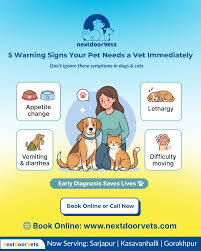
You might be here because something about your pet just feels off. Maybe your usually playful cat is hiding under the bed, or your dog is staring at the water bowl but not drinking. You keep telling yourself it might pass, yet that small knot of worry in your stomach is not going away—and that’s when you start wondering if it’s time to call a veterinarian in Silver Spring, MD.
This is the hard part of loving an animal. They cannot tell you where it hurts, and you are left reading tiny clues, hoping you are not missing something serious. It can feel scary, and it can feel lonely, especially at night or on weekends when you are not sure who to call or what counts as an emergency.
Here is the short version. If your pet has changes in eating or drinking, trouble breathing, sudden behavior changes, vomiting or diarrhea that does not stop, or any visible pain or injury, it is time to reach out to a small animal veterinarian. Waiting and hoping often makes things harder and more expensive later. Getting help early gives your pet the best chance to recover and protects your family’s health too.
So where does that leave you right now, staring at a pet you love and a problem you are not sure how to judge?
How do you know when “something’s off” means your pet needs a vet now?
Most pet owners have the same inner debate. You notice a symptom, you wonder if you are overreacting, and you start searching online, which usually makes you more anxious. You might also be worried about the cost of a visit or afraid of hearing bad news, so you wait another day to see if things improve.
The trouble is that animals are wired to hide weakness. By the time a dog or cat is clearly sick, the problem has often been brewing for a while. That is why recognizing early warning signs and acting on them can change the whole story.
Here are five important signs that your pet should see a small animal vet as soon as you can arrange it.
1. Changes in eating or drinking that last more than a day
One missed meal is not always a crisis. A hot day or a stressful event can throw off appetite. The concern starts when your pet refuses food for more than 24 hours, eats far less than usual, or suddenly seems ravenous all the time.
Drinking changes matter just as much. Drinking far more water can signal kidney disease, diabetes, or hormonal issues. Drinking far less can lead to dehydration and organ strain. If you notice soaked litter, empty water bowls, or very dry gums, it is time to call a small animal veterinarian.
2. Vomiting, diarrhea, or changes in bathroom habits
Many pets vomit occasionally or have a soft stool once in a while. What should worry you is repetition or intensity. Multiple episodes of vomiting, blood in stool or vomit, straining to urinate or defecate, or no urine output at all can be emergencies.
For example, a male cat that is going in and out of the litter box, straining, and producing only drops of urine may have a blocked bladder. That can become life threatening in hours, not days. That is not a “wait and see” situation. It needs urgent care.
Digestive issues can also carry infection risks. Some illnesses that affect pets can occasionally affect people too. The CDC offers helpful information about keeping both pets and people healthy if you are worried about germs spreading at home.
3. Trouble breathing or unusual coughing
Any sign that your pet is working harder to breathe deserves quick attention. Watch for open mouth breathing in cats, very fast or shallow breaths at rest, blue or gray gums, or a sudden, harsh cough that will not stop.
Think about it this way. You would not ignore a child who is gasping for air. Your pet’s lungs and heart need the same respect. Breathing problems can come from heart disease, fluid in the lungs, allergic reactions, or airway blockages. A small animal vet can check oxygen levels, listen to the chest, and decide if emergency treatment is needed.
4. Sudden behavior changes or signs of pain
You know your pet’s normal personality. When that changes suddenly, your pet is telling you something is wrong, even if you cannot see it on the surface. Signs to watch for include hiding, growling when touched, not wanting to be picked up, walking stiffly, or crying out when moving.
Pain in animals is often quiet. A dog may just lick a joint over and over. A cat may stop jumping onto furniture. You might see only small changes in posture, grooming, or sleep. These are not “just getting old” issues. Many painful conditions can be treated, and your pet deserves relief.
5. Visible injury, swelling, or anything that “just looks wrong”
If you see limping, a swollen face, a deep cut, a wound that smells bad, or one eye that suddenly looks cloudy or red, do not wait. Injuries can get infected fast. Eye problems can threaten vision in hours. Swelling around the mouth could even hint at an allergic reaction that affects breathing.
Trust your instincts. If you look at your pet and your gut says “This is not right,” it is safer to get a professional opinion. A quick visit to a veterinary clinic for small animals can prevent a small problem from turning into something far harder and more costly to treat.
Is it really an emergency or can it wait for a regular appointment?
This is the question that keeps many owners awake at 2 a.m. You do not want to ignore a crisis, yet you also do not want to rush to an emergency hospital for something that could wait until morning.
Here is a simple comparison to help you sort through the decision.
| Situation | Usually OK to Wait (Call Your Vet Soon) | Needs Same-Day or Emergency Care |
| Eating and drinking | One missed meal but otherwise acting normal | No eating for 24 hours, no drinking for 12 hours, or sudden extreme thirst |
| Vomiting / diarrhea | One mild episode, normal behavior, no blood | Repeated vomiting or diarrhea, blood present, weakness, or collapse |
| Breathing | Mild occasional cough, no distress, normal activity | Fast or labored breathing, open mouth breathing in cats, blue gums, choking |
| Pain / behavior | Stiffness after heavy play, improves with rest | Crying out, cannot stand, sudden aggression when touched, disorientation |
| Injury | Small superficial scrape, no limping, no swelling | Deep wounds, heavy bleeding, obvious fracture, large swelling, eye injury |
If you are ever unsure, it is better to call. The FDA has guidance onincluding how to reach emergency clinics and poison helplines. A quick phone call can save you time, money, and heartache.
What can you do right now to protect your pet and your peace of mind?
Knowing the signs is helpful, but you also need simple, concrete actions you can take today, even if your pet seems mostly stable.
1. Watch and write down specific symptoms
Instead of holding everything in your head, start a quick log. Note when your pet last ate, drank, urinated, and had a bowel movement. Write down how many times vomiting or diarrhea occurred, and whether there was blood. Record breathing rate while your pet is resting. Count breaths for 30 seconds, then double the number.
Bring this information to your small animal veterinarian. It gives a much clearer picture than trying to remember under stress and can speed up diagnosis.
2. Call a veterinary clinic before things snowball
You do not need to wait until symptoms are severe. Call a clinic, describe what you see, and ask how soon your pet should be seen. Be honest about what you can afford. Many clinics can suggest tests in order of priority or offer payment options. Early visits are often less expensive than emergency care after a crisis.
If your regular clinic is closed and you are worried about an urgent issue, search for “24 hour small animal vet near me” and keep that number somewhere easy to find for next time.
3. Prepare a simple home emergency plan for your pet
When panic hits, clear thinking gets harder. Create a short plan now. Include your regular vet’s name and number, the nearest emergency hospital, and any medications your pet takes. Keep a basic pet first aid kit with bandage material, a clean towel, and a carrier or sturdy leash ready to go.
Share this plan with other adults in your home. That way, if you are not there when something happens, someone else knows exactly who to call and where to go.
Moving forward with more clarity and less fear
Worrying about a sick pet is emotionally exhausting. You are trying to protect a family member who cannot speak, and that is a heavy responsibility. The good news is that you do not have to carry it alone. Understanding the main warning signs, knowing when it is time to involve a small animal veterinary professional, and having a simple plan in place can turn panic into action.
The next step is straightforward. Look at your pet, compare what you see to the signs above, and if anything concerns you, reach out to a small animal vet for guidance. Your concern is not overreacting. It is love, and your pet is counting on that.