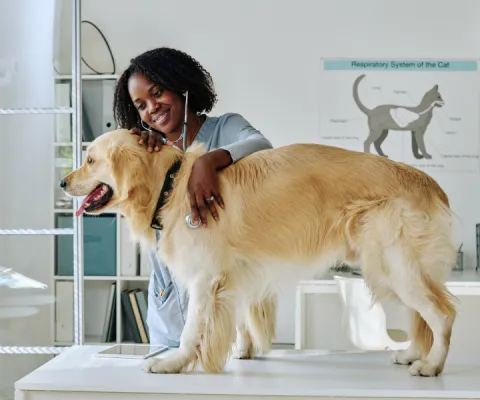
You might be feeling a mix of worry and confusion right now. Maybe your pet needs care at a veterinary clinic in Dallas, but your schedule is packed, your car is unreliable, or your cat turns into a tiny tiger the moment you bring out the carrier. Or you are a clinic owner or manager trying to keep clients happy while your team already feels stretched thin. Because of this tension, you might be wondering whether telehealth for pets is just a trend or something that can truly help.end
The short answer is that many veterinary clinics are quietly reshaping how they offer care. They are adding video consults, secure messaging, and remote follow-ups, not to replace in-person medicine, but to support it. Telehealth can make it easier to ask small questions before they turn into big emergencies, it can reduce unnecessary visits, and it can give veterinarians more ways to stay connected with the animals they already know.
At the same time, it is not simple. There are rules to respect, technology to set up, and clear limits to what can be done from a screen. Understanding those pieces can help you feel less overwhelmed and more prepared, whether you are a pet owner trying to choose the right clinic or a veterinary professional trying to decide how far to go with remote care.
Why are veterinary clinics turning to telehealth in the first place?
For many clinics, it started with pressure from every direction. Clients wanted quicker answers. Staff were burning out. Appointment slots were full for weeks. Then came the push to limit in-person contact, and suddenly, video calls, photos, and texts became the only way to stay in touch with many patients. Even as clinics reopened more fully, people had gotten used to that convenience.
Imagine a dog with recurring skin problems. In the past, every flare-up meant another visit, another wait in the lobby, another stressful exam for an already itchy dog. Now, some clinics can review photos, look at the history, and adjust treatment through a virtual follow-up. The dog still comes in for full exams and testing when needed, but the ongoing care becomes smoother and less stressful for everyone involved.
On the clinic side, telehealth can help reduce the pile of “quick questions” that flood the phone lines. Instead of long voicemail chains, a structured telehealth platform can schedule short consults, document advice properly, and make sure the veterinarian is actually being compensated for their time. That can protect the clinic financially and give staff a clearer rhythm to their day.
So, where does that leave you if you are trying to decide whether this kind of care is safe and responsible for your pet, or workable for your practice
What makes veterinary telehealth feel confusing or risky?
The biggest source of confusion is often the difference between casual advice and true veterinary care. For established clients, many clinics offer virtual veterinary consultations as an extension of the existing relationship. The veterinarian already knows the pet’s history, has examined them in person, and can safely decide what can be handled remotely and what cannot.
For new clients and new pets, the rules are stricter. In many regions, a proper veterinarian-client-patient relationship must be formed through an in-person exam before prescriptions or specific diagnoses can be made. That means telehealth is helpful, but not a magic shortcut. It can be used for general guidance, triage, and follow-up, yet it cannot replace a full physical exam when that is needed.
There is also the emotional side. As a pet owner, you might worry that a video call is “less serious” than a visit. You might fear that something could be missed. As a veterinarian, you might feel torn between wanting to help quickly and worrying about liability if you cannot touch or closely examine the animal. These are not small concerns. They are exactly why many clinics are using structured guidelines and resources, such as the telehealth resource center from the American Veterinary Medical Association, which offers practical guardrails for safe remote care.
Financial concerns also play a role. Clinics need to decide how to price virtual visits and how to protect time for them without shortchanging in-person patients. Clients, on the other hand, may wonder if they are “really” getting value from a video call. Clear expectations and communication become essential here.
How do the benefits and limits of veterinary telehealth compare?
To make this more concrete, it helps to look at a side-by-side view of what telehealth usually does well and where an in-person visit is still the better choice.
| Situation | Telehealth for pets | In person veterinary visit |
| Mild, non-urgent issues (itchy skin, mild diarrhea, behavior questions) | Often suitable for initial guidance and follow-up. Photos and videos can support decisions. | Needed if symptoms worsen, persist, or do not match prior patterns. |
| Medication refills for stable, known conditions | Helpful to review progress and side effects when the pet is already under care. | Required periodically for physical exams, lab work, and updated diagnoses. |
| Emergency signs (trouble breathing, collapse, severe pain, major trauma) | May help with quick triage, but cannot treat. Usually just confirms the need for urgent in-person care. | Essential. The animal must be seen and treated on site immediately. |
| Behavior and training concerns | Often very effective. The home environment can be observed through video. | Useful when physical exams or lab tests are needed to rule out medical causes. |
| End of life discussions and quality of life assessments | Can offer emotional support and planning with less stress for the animal. | Needed for actual euthanasia and for certain detailed physical assessments. |
Many clinics are using hybrid care. They combine remote check-ins with in-person visits. This blended approach to veterinary telemedicine services helps them respect legal boundaries, protect quality of care, and still meet clients where they are.
For clinics trying to shape their own telehealth policies, formal models and templates can reduce guesswork. The American Association of Veterinary State Boards has shared practice model documents that outline how telehealth can fit into a safe, regulated framework. Those materials can be reviewed in the AAVSB telehealth practice model documents.
What can you do right now to use veterinary telehealth wisely?
1. Get clear on when telehealth is appropriate
If you are a pet owner, ask your clinic what issues they are comfortable handling remotely and which ones always require a visit. Keep a short list on your phone. For minor questions such as diet tweaks, medication side effects, or behavior concerns, telehealth can be a helpful first step. For anything urgent or severe, plan to go in person. If you are a clinic decision maker, write and share simple guidelines with your team and your clients so everyone understands the limits of remote care.
2. Prepare before each virtual veterinary appointment
Telehealth works best when the veterinarian has enough information. Before a call, jot down symptoms, timing, and any changes in appetite, water intake, or behavior. Take clear photos or short videos in good light. Weigh your pet if possible. For clinics, encourage clients to send this material in advance through your chosen platform. This preparation can make a 15-minute video consult as focused and productive as possible and reduce the need for follow-up calls.
3. Choose clinics and tools that respect both care and boundaries
Whether you are choosing a clinic for your own animals or choosing vendors for your practice, look for telehealth systems that protect privacy, document advice, and integrate cleanly with medical records. Ask how after-hours messages are handled and what response times you can expect. As a pet owner, it is reasonable to ask, “When would you tell me to come in instead of using telehealth?” As a clinic, define which staff can answer which types of questions on which channels. Clear lines protect your pet, your team, and your peace of mind.
Moving forward with confidence about veterinary telehealth
Telehealth will never replace the feeling of a veterinarian’s hands on an animal, or the calm that comes from watching a skilled team work in person. It is not meant to. Used thoughtfully, though, it can make it easier to ask for help early, to stay connected between visits, and to support both pets and the people who care for them.
If you feel uncertain, that is understandable. You are being asked to trust screens and software with something deeply important to you. Start small. Ask questions. Look for a clinic that treats veterinary telehealth as an extension of good medicine, not a shortcut. Over time, you can build a way of working with your veterinary team that fits your life, respects your pet’s needs, and uses technology as a tool rather than a replacement for real care.