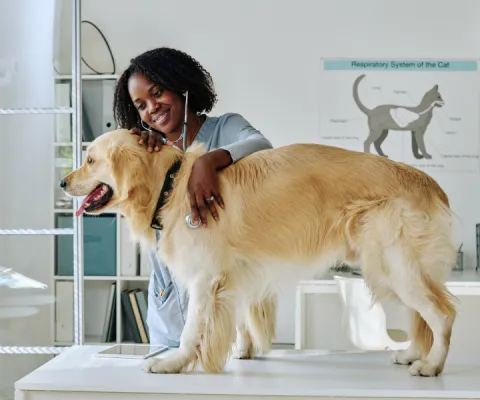
Your pet may look fine. You still worry something quiet is growing inside. Wellness exams help you face that fear with facts. During these visits, the vet is not just giving shots or trimming nails. The vet is searching for silent illnesses that hide behind normal habits and a calm face. Careful hands feel for small lumps. Trained eyes watch how your pet stands, walks, and breathes. Simple questions about eating, drinking, and bathroom trips can uncover early signs of disease. Clear blood and urine tests can show trouble long before you see changes at home. Early answers mean more choices, less suffering, and lower costs. A Galloway wellness vet uses each wellness exam as a chance to find problems early, when treatment works best. You gain clear information. Your pet gains time.
Why “Silent” Illnesses Stay Hidden At Home
Pets try to hide pain. Instinct tells them to look strong. You may only see small shifts. A bit more sleep. A skipped meal. One strange puddle on the floor. These signs feel random. You hope they pass.
Silent illness often starts in three ways. Slow organ damage. Quiet joint wear. Or tiny growths that spread. These changes build over months. You may not see weight loss until it is sharp. You may not smell bad breath until infection is deep.
During a wellness exam, the vet looks at the whole body at once. You get one clear picture instead of scattered hints.
What Happens During A Wellness Exam
You can expect three steps. Each step looks for hidden disease.
- Questions about daily life
- Hands on exam from nose to tail
- Screening tests that look inside the body
Each step catches different problems. Together they form a net that many illnesses cannot escape.
The Power Of Simple Questions
First, the vet asks about your pet’s routine. Sleep, food, water, bathroom trips, play, and mood all matter. These are not small talk. They are clues.
You may hear questions like these.
- Has your pet changed how much it drinks
- Do you see any new accidents in the house
- Has your pet slowed down on walks
More thirst can point to kidney or hormone trouble. House accidents can point to bladder infection or diabetes. Slow steps can point to joint pain or heart strain. Your answers guide the rest of the exam.
The Nose To Tail Physical Exam
Next, the vet checks the body in a set order. This keeps small signs from getting missed.
- Eyes and ears for redness, cloudiness, or discharge
- Mouth for broken teeth, gum disease, or pale color
- Neck and chest for lumps and heart or lung sounds
- Belly for pain, fluid, or masses
- Skin and coat for hair loss, scabs, or parasites
- Joints and muscles for stiffness or weakness
A stethoscope can catch heart murmurs long before you see cough or collapse. Gentle pressure on the belly can help find an enlarged liver or spleen before your pet stops eating. Careful joint checks can spot early arthritis so you can ease pain before it grows.
The American Veterinary Medical Association notes that regular exams often find problems while they are still easy to treat.
How Common Tests Reveal Hidden Disease
Blood, urine, and stool tests look where eyes and hands cannot reach. They show how organs work in real time. They also show early infection and internal parasites.
Common Wellness Tests And What They Can Reveal
| Test Type | What It Checks | Silent Illnesses It Can Reveal |
|---|---|---|
| Blood chemistry | Liver, kidneys, blood sugar, proteins | Kidney disease, liver disease, diabetes |
| Complete blood count | Red and white blood cells, platelets | Anemia, infection, some cancers |
| Urinalysis | Concentration, sugar, protein, cells, crystals | Urinary infection, kidney disease, diabetes |
| Fecal test | Parasite eggs and larvae | Roundworms, hookworms, other intestinal worms |
| Heartworm test | Heartworm proteins in blood | Early heartworm infection |
These tests often find trouble before the body shows strong signs. For example, early kidney disease may only show as slight changes in blood and urine values. You would not see that at home.
Age, Breed, And Risk
Silent illness risk grows as pets age. Senior pets need more screening. Large dog breeds may face joint and heart problems. Some cat breeds may face kidney or heart issues. Your vet may suggest extra tests based on age and breed.
The U.S. Food and Drug Administration explains how a long-term diet links with heart and other diseases. This is one reason diet questions are part of wellness visits.
How Often To Schedule Wellness Exams
Timing matters. One visit is not enough to guard a whole life.
- Puppies and kittens. Every 3 to 4 months until grown
- Healthy adult pets. Once a year
- Senior pets or pets with chronic disease. Twice a year or more
Regular visits create a record of weight, heart rate, lab values, and behavior. This record lets your vet see slow changes. Even small shifts can point to early illness when compared to past visits.
How You Can Help Catch Silent Illness Early
You live with your pet every day. Your eyes and memory are key tools. You can help by doing three simple things.
- Watch for changes in food, water, bathroom use, and play
- Write down concerns before each visit
- Follow through on tests and rechecks the vet suggests
Quiet notes from home matched with a careful exam and basic tests can change the course of the disease. You gain a stronger voice in your pet’s care. Your pet gains comfort and more good days.
Silent illnesses do not need to stay hidden. Regular wellness exams turn fear into clear steps. You protect the bond you share with your pet by finding trouble early, when you still have many options.