Safety in residential and commercial pools is not merely a recommendation—it is a fundamental requirement that protects lives every single day. Electrical hazards in aquatic environments pose unique dangers, making the standards governing pool equipment critically important for anyone who owns or operates a swimming facility. The iGarden Swim Jet P Series represents a new generation of advanced swimming equipment engineered to deliver an exhilarating experience while prioritizing user protection at every level of its design.
But what exactly are SELV (Safety Extra-Low Voltage) safety standards, and why do they matter so much for products like the iGarden Swim Jet P Series? This article will demystify SELV standards in plain language, explore how they apply to swim jet technology, and examine crucial installation factors including motor voltage specifications and pool edge height requirements. Whether you are upgrading an existing pool or planning a new installation, understanding these standards empowers you to make informed decisions. By the end, you will have actionable knowledge to enhance both the safety and enjoyment of your swimming environment for years to come.
Understanding SELV Safety Standards for Swimming Equipment
SELV, or Safety Extra-Low Voltage, is an electrical protection standard designed to eliminate the risk of electric shock by maintaining voltage levels so low that they cannot drive a dangerous current through the human body—even in the worst-case scenario of direct contact. In dry environments, electrical faults may cause discomfort or minor injury. In wet environments like swimming pools, however, water dramatically reduces the body’s electrical resistance, meaning even moderate voltages can prove fatal. This is precisely why SELV exists as a distinct category of protection beyond standard insulation or grounding methods.
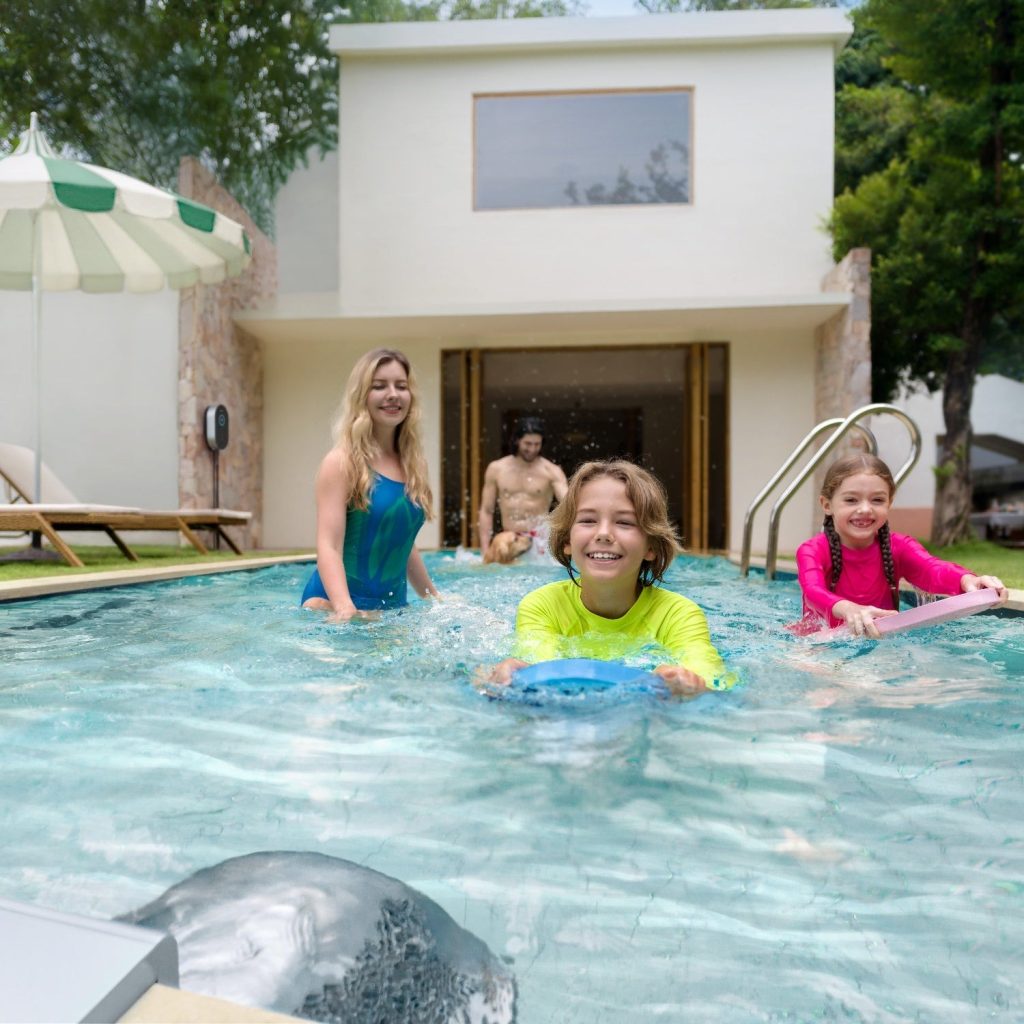
The core principle of a SELV system rests on two pillars: voltage limitation and electrical isolation. Voltage is typically restricted to below 50V AC or 120V DC in dry conditions, with even lower thresholds applied in immersed or splash-zone applications. Equally important, the SELV circuit must be completely isolated from higher-voltage systems through safety transformers, dedicated power supplies, or equivalent separation methods. There is no reliance on earthing for protection—the voltage itself is inherently safe.
For swimming equipment, SELV compliance means that any component a swimmer could potentially contact operates within these protective limits. This encompasses motors, lighting, control interfaces, and any conductive element within reach. The standard effectively creates an environment where electrical failure does not translate into human harm. Understanding this foundation is essential before examining how specific products like the iGarden Swim Jet P Series implement these requirements in their engineering and certification processes.
iGarden Swim Jet P Series: SELV Compliance and Motor Voltage Explained
The iGarden Swim Jet P Series delivers a powerful, adjustable current that enables swimmers to train, exercise, or simply enjoy endless swimming in pools of virtually any size. What distinguishes this series from conventional swim jet systems is its deliberate engineering around SELV safety principles—not as an afterthought, but as a foundational design philosophy that shapes every electrical component from the motor outward.
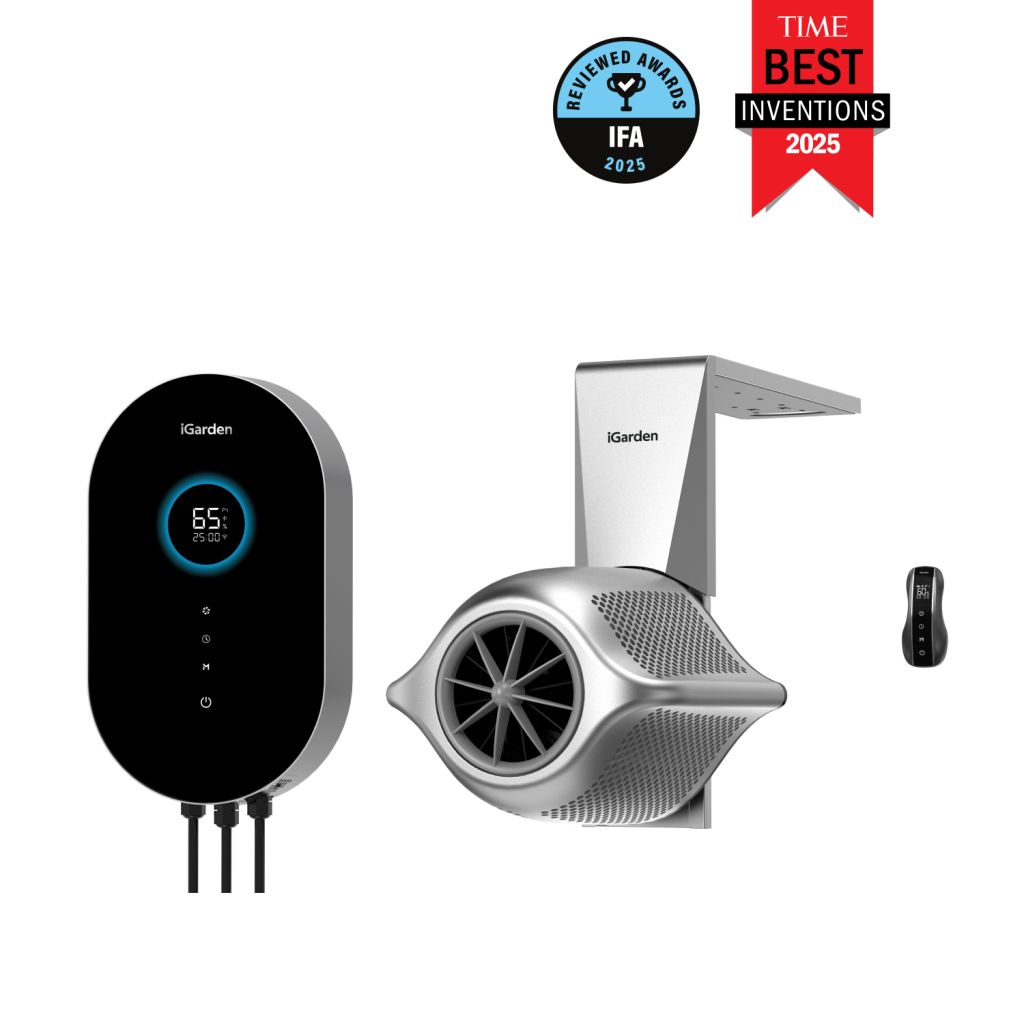
At the heart of this compliance is the motor voltage architecture. The P Series utilizes a low-voltage motor system that operates well within SELV thresholds, ensuring that the electrical energy driving the water flow cannot pose a shock hazard to swimmers even if insulation were to fail completely. The power supply incorporates safety-isolating transformers that create a genuine electrical separation between mains voltage and the pool-side components. This means the circuit powering the jet motor has no electrical reference to earth—a critical distinction that prevents fault currents from finding a path through a swimmer’s body.
The iGarden Swim Jet P Series has undergone rigorous third-party testing and carries certifications confirming its adherence to applicable IEC and EN standards governing low-voltage equipment in wet zones. These certifications are not self-declared; independent laboratories verify that isolation distances, creepage paths, and voltage withstand capabilities meet or exceed required margins. For pool owners and facility managers, this translates into measurable confidence—the equipment has been stress-tested under conditions far more demanding than normal operation. This level of validated compliance builds genuine trust and removes uncertainty from what should be a purely enjoyable investment in your swimming environment.
Installation Guidelines: Motor Voltage and Pool Edge Height Factors
Even the most meticulously engineered SELV-compliant equipment can only deliver its full safety promise when installed correctly. The iGarden Swim Jet P Series is designed for straightforward integration into both new builds and existing pools, but two factors demand particular attention during installation: motor voltage specifications and pool edge height. Getting these right ensures that the system operates safely, efficiently, and within its certified parameters for the entire lifespan of the equipment.
Motor Voltage Specifications for Safe Operation
The iGarden Swim Jet P Series motor operates at a designated low voltage consistent with SELV requirements, and the power supply unit must match this specification precisely. Before installation, confirm that the safety-isolating transformer or dedicated power supply outputs the correct voltage rating specified in the product documentation. Using an incompatible power source—whether too high or too low—compromises both safety and motor longevity. During setup, verify voltage at the connection point with a calibrated multimeter after wiring is complete but before the unit is energized in water. Ensure all cable runs between the transformer and motor use appropriately rated, water-resistant cabling with no splices inside wet zones. If your facility’s electrical infrastructure requires adaptation, engage a qualified electrician familiar with IEC 60364 zone requirements for swimming pools. Never substitute standard transformers for safety-isolating types, as only the latter provide the galvanic separation that makes SELV protection genuine.
Pool Edge Height Limitations and Best Practices
Pool edge height directly affects both the mounting position of the swim jet unit and the quality of the water current it produces. The iGarden Swim Jet P Series requires installation at a specific height relative to the waterline to ensure optimal flow direction and prevent turbulence that could reduce swimming comfort or cause splashing over the pool edge. Measure from the normal operating water level to the top of the pool wall—this dimension must fall within the range specified in the installation manual to guarantee that the jet stream aligns with the swimmer’s body position. Pools with unusually low edges may experience water overflow during operation, while excessively high edges can force an awkward mounting angle that diminishes current strength. Common pitfalls include failing to account for water level fluctuations from evaporation or backwash cycles, and neglecting to verify edge height at the exact installation point rather than elsewhere along the pool perimeter. When in doubt, consult the manufacturer’s technical support before committing to a mounting location, as repositioning after initial installation adds unnecessary cost and complexity.
Enhancing Your Pool with Swimming Equipment for an Exhilarating Experience
When SELV safety standards work as intended, they become invisible—and that invisibility is precisely the point. The iGarden Swim Jet P Series transforms any pool into a dynamic training and recreation environment where swimmers can push their limits against a consistent, powerful current without ever worrying about what is happening electrically beneath the surface. This freedom from concern is what separates genuinely safe equipment from products that merely function. The adjustable flow allows everything from gentle resistance for rehabilitation exercises to intense currents that challenge competitive swimmers, all within a space no larger than a standard residential pool.
Beyond fitness, the continuous current creates opportunities for aquatic play, hydrotherapy, and low-impact cardiovascular conditioning that a static pool simply cannot offer. Equipment lacking proper SELV compliance introduces a subtle but corrosive anxiety—swimmers or parents may hesitate, limit session duration, or avoid the pool altogether during electrical storms or after minor equipment issues. With certified SELV protection, these concerns evaporate because the system’s inherent voltage limitation means electrical faults cannot produce dangerous conditions in the water. The result is more frequent use, longer sessions, and a genuine return on your investment measured not just in convenience but in health, enjoyment, and peace of mind that non-compliant alternatives simply cannot match.
Practical Steps for Pool Owners: From Understanding to Installation
Turning knowledge into action requires a clear path forward. Start by researching SELV safety standards specific to your region—IEC 60364-7-702 serves as the international baseline, but local codes may impose additional requirements worth understanding before any purchase. Next, assess your pool’s physical specifications by measuring the exact pool edge height at your intended installation point and documenting your electrical infrastructure, including available circuit capacity and transformer compatibility. With this information in hand, choose compliant products that match your pool’s dimensions and your performance expectations—iGarden’s approach to smart home integration means their swim jet systems are designed to work seamlessly within modern connected pool environments. When installation begins, follow the manufacturer’s guide precisely or hire a certified electrician experienced with swimming pool electrical zones—this is not a task for general contractors unfamiliar with wet-zone isolation requirements. Finally, conduct thorough post-installation safety checks: verify motor voltage at the connection point, test the isolation resistance of the SELV circuit, confirm proper water flow direction, and document everything for future maintenance reference. These proactive steps protect your investment and ensure lasting satisfaction with every swim.
SELV Compliance and Safe Installation for Worry-Free Swimming
SELV safety standards represent the gold standard for electrical protection in aquatic environments, ensuring that voltage levels remain inherently harmless even under fault conditions. The iGarden Swim Jet P Series exemplifies how modern swimming equipment can deliver exceptional performance without compromising on this critical safety foundation. Its low-voltage motor architecture, safety-isolating power supply, and independent certification provide the verifiable assurance that pool owners and facility managers need to operate with complete confidence.
Equally important is recognizing that compliance begins at the factory but extends through proper installation. Matching motor voltage specifications precisely, positioning the unit at the correct pool edge height, and engaging qualified professionals for electrical work are non-negotiable steps that preserve the integrity of the SELV protection chain. When these elements align, the result is an exhilarating swimming experience free from electrical anxiety—a pool that invites frequent use and delivers lasting value. Take the time to understand these standards, verify compliance in the equipment you choose, and insist on professional installation. Your commitment to safety today creates countless worry-free swims tomorrow.